Making Summer Vegetable Tart

This is an easy and quick way to use up gluts of some vegetables, and you can swap out ingredients for whatever you happen to have. For this version you’ll need:

Sheet of ready made puff-pastry (or hand make a sheet)
2 medium or 1 large courgettes (make sure that the skins aren’t too tough)
3 large tomatoes or a couple of handfuls of cherry tomatoes
2 medium red onions
100g Goats Cheese
Small bunch of basil (or dried flakes)
Small bunch or oregano (or dried flakes)
Regular olive oil & extra virgin olive oil
Balsamic vinegar
Salt & Pepper

1. Preheat you oven to 200°C or whatever temperature recommended on you pastry packet.

2. Take a baking tray that’s large enough for you to roll out your puff pastry sheet out onto. Pour a little regular oil on the sheet and grease the sheet thoroughly (use a pastry or oil brush if you need to).

3. Put the puff pastry sheet onto the baking tray, and with the tip of a sharp knife, score around the outside edge of the pastry about 1 to 2 cms from the outside edge – be careful not to cut all the way though the pastry, and don’t cut to the edges. (This allows for a crust to form around the outside of your tart when it cooks). Put the sheet to one side.

4. Now slice up all your vegetables. Slice onions to form rings, and thin to medium slices of courgettes and tomatoes (if you’re using cherry tomatoes, slice in half or if really small leave whole). Cut goats cheese into slices too.

5. Now layer the vegetables onto the pastry sheet starting with the onions, next the tomatoes and finally the courgettes. Sprinkle the herbs over the top of the courgettes and then add the goats cheese.

6. Drizzle lightly with extra-virgin olive oil, balsamic vinegar and add a good sprinkle of salt and pepper.

7. Cook in the oven for about 20 mins. at 200°C or until the pastry is cooked. Be careful not to burn the edges of the pastry!

8. Serve with a light green salad.
Allotment Update 18th June 2016

2016-06-18 11.29.09I had a really productive weekend on the allotment. I’d been itching to get down to the plot all week, so was pleased when Saturday came around. It’s odd, that as I work for myself, I shouldn’t feel guilty about going to the plot during the week, assuming that my “paid” work is up to date and I’m not letting a client down by being there, but I guess some habits are hard to shake and being on the plot Monday to Friday still feels a little weird. Maybe if I did it a little more frequently it would feel less weird?

Anyhow I knew that I had a lot to do, mostly weeding, as we’d had a warm, humid but wet week, so everything but in particular the weeds was growing well. Some of my plants in particular the leeks and the most recently planted brassicas were in need of some weeding.

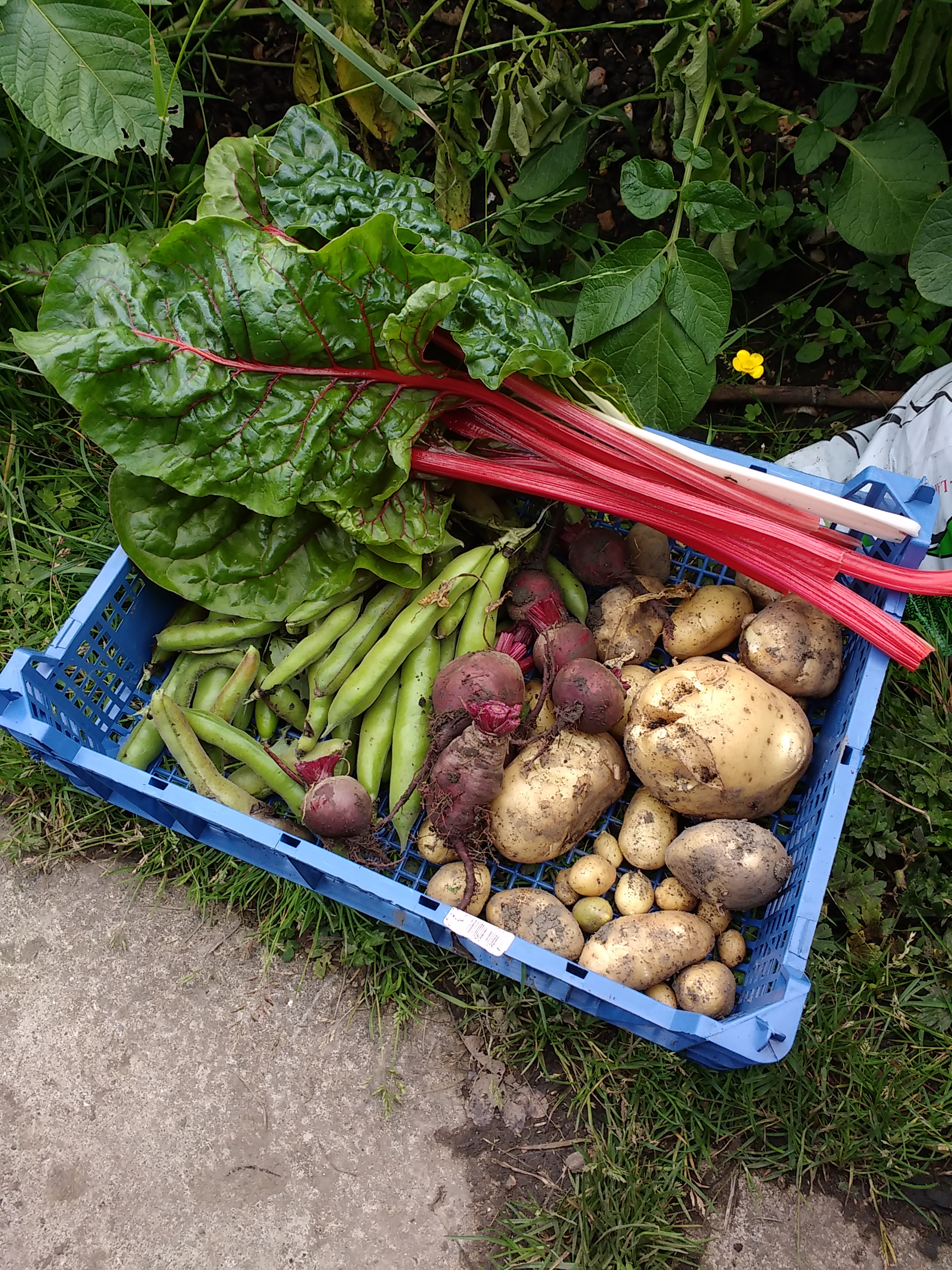
I had a little experimental dig of my early potatoes. Technically they shouldn’t be ready until the beginning of July, but they’re already starting to go over, so they appear to be ready. I dug the end of the short row, as that area is one that I’ll need again fairly soon, for my overwintering brassicas. I dug the first couple of plants and got a kilo of spuds for my efforts. We had some of them for supper that evening, along with the chard, runner beans and a “crustless” caramelised red onion and cheddar quiche that I knocked up later on.

The spuds were amazing. They’re a variety called Arran Pilot, and tend to be quite a floury potato and can go quickly to mush if over-boiled, but I cooked them in a steamer and they seem to have held together much better. Whether it is the more gentle cooking action of the steamer as opposed to boiling I don’t know, but anyway they were delicious and I don’t think we’ll be buying potatoes from the shops for a while now.

2016-06-18 09.45.45I also lifted all of the over-wintering onion sets and shallots. They too had started to lean over and were ready to be harvested. They need to be dried a little, and sorted through, which I’ll do some when in the next few days. I noticed there were a couple that need to be eaten sooner rather than later due to basal rot, but the vast majority should store well. Another item that we won’t need to be buying from the store for some time. I dug over the area where they were, and sowed some mixed coloured beetroot there. I’ve left some space as it’s close to where the courgettes and cucumbers are, and I expect they will spread out a little.

The radishes and turnips were next on my list, as they haven’t done anything apart from bolt and go straight to seed. I’m not sure why, but I removed them, dug over the ground and have replaced them with Perpetual Chard (a gift from Dale Calder in Canada) and some Rocket. The latter I had previously sown earlier in the year, but it failed to germinate, so I’m hoping for better luck this time.

The rest of the time I spent weeding and tidying. It looks as though the first of the soft fruit (loganberries and gooseberries) might be ready this week, so I’ll keep an eye on those but otherwise there is plenty of other veg coming to keep us fed.

Goats Cheese, Feta and Pear Pizza

Now this may not sound like everyone’s idea of a pizza topping combination, but it is tasty!

You’ll need:

For the dough (unless you’re using a ready made base):

  • 300g strong white bread flour (plus extra for rolling and kneading)
  • 1/2tsp dried yeast
  • 2tbsp olive oil
  • 200ml warm water (about 25°C)
  • 1tsp salt
  • A pizza tray or stone (do not place the base directly onto an oven shelf). If you’re using a ready made base, follow the manufacturers instructions!

For the topping:

  • 1 tube tomato puree
  • Large clump of fresh basil
  • 20g hard cheese (Parmesan or cheddar)
  • 6 large mushrooms
  • 1 large red onion
  • 2 large tomatoes
  • 2 large dessert pears (or any pears that you have to hand)
  • Feta and Goats cheese
  • Pepper

To make the base put the flour, olive oil, salt and yeast in a mixing bowl and add about half of the water. Mix until the water is well combined, add the remaining water a little at a time until you have a slightly damp dough, but not one that is too sticky – you may not need all of the water. Spread a little more flour on a clean worktop or bread board, and gently knead the dough for about 5 minutes. Form the dough into a ball, and place in a greased (this helps to get it out later) bowl and cover with a clean tea towel. Place to one side at room temperature for about six hours. The dough should double in size.

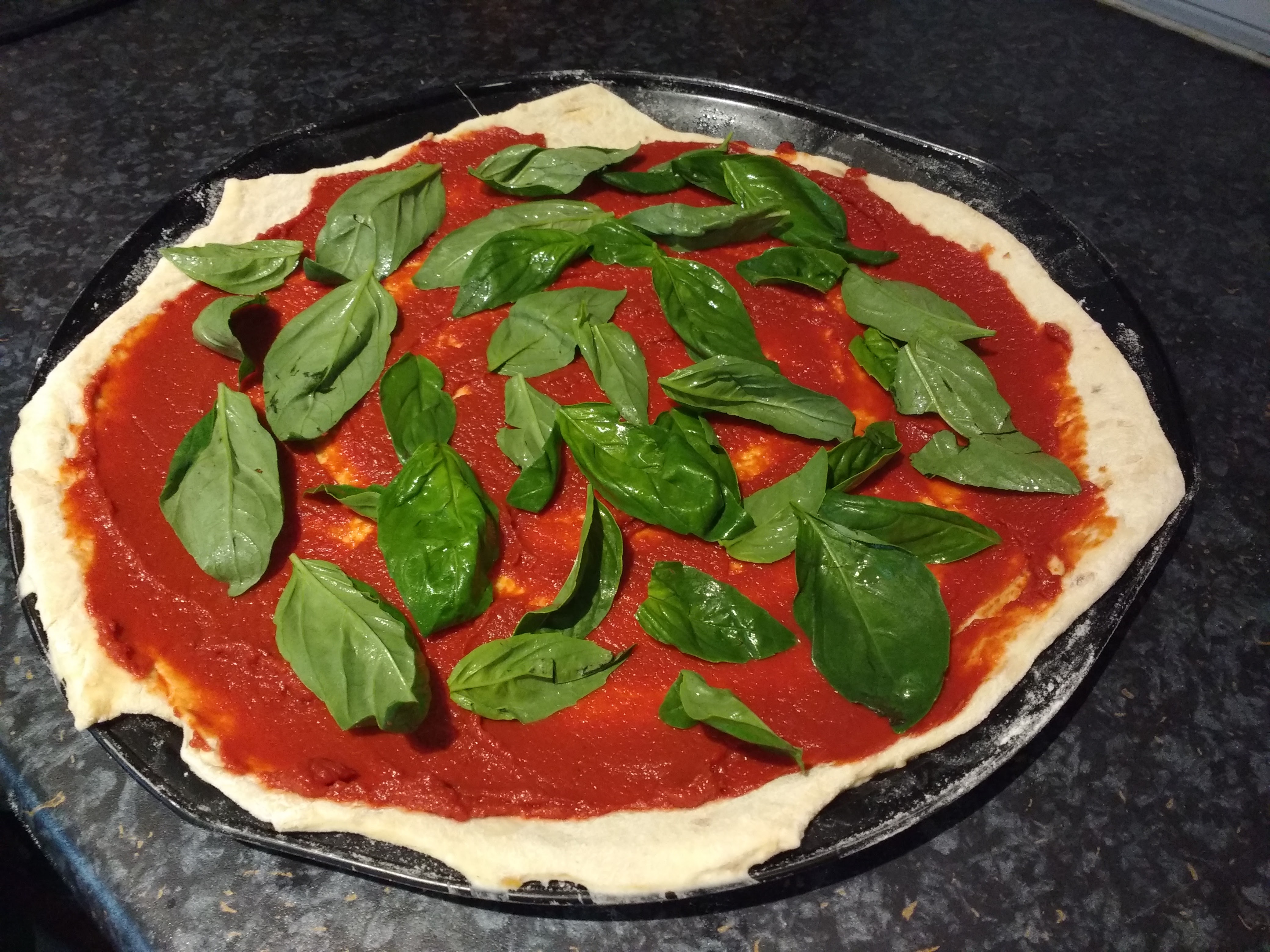
IMG_20160521_174415281When you’re ready bring out the dough and shape into a roughly round shape, you can make it as thick or as thin as you prefer and to fit you pizza tray or stone. Place on a greased tray or prepared stone.

Cover the base with tomato puree, using the back of a table spoon to apply and even coating. Wash and dry the basil and spread the leaves evenly across the base (no need to chop), and a layer of finely grated hard cheese on top of the basil. Next slice your mushrooms and onions and add as another layer on top.

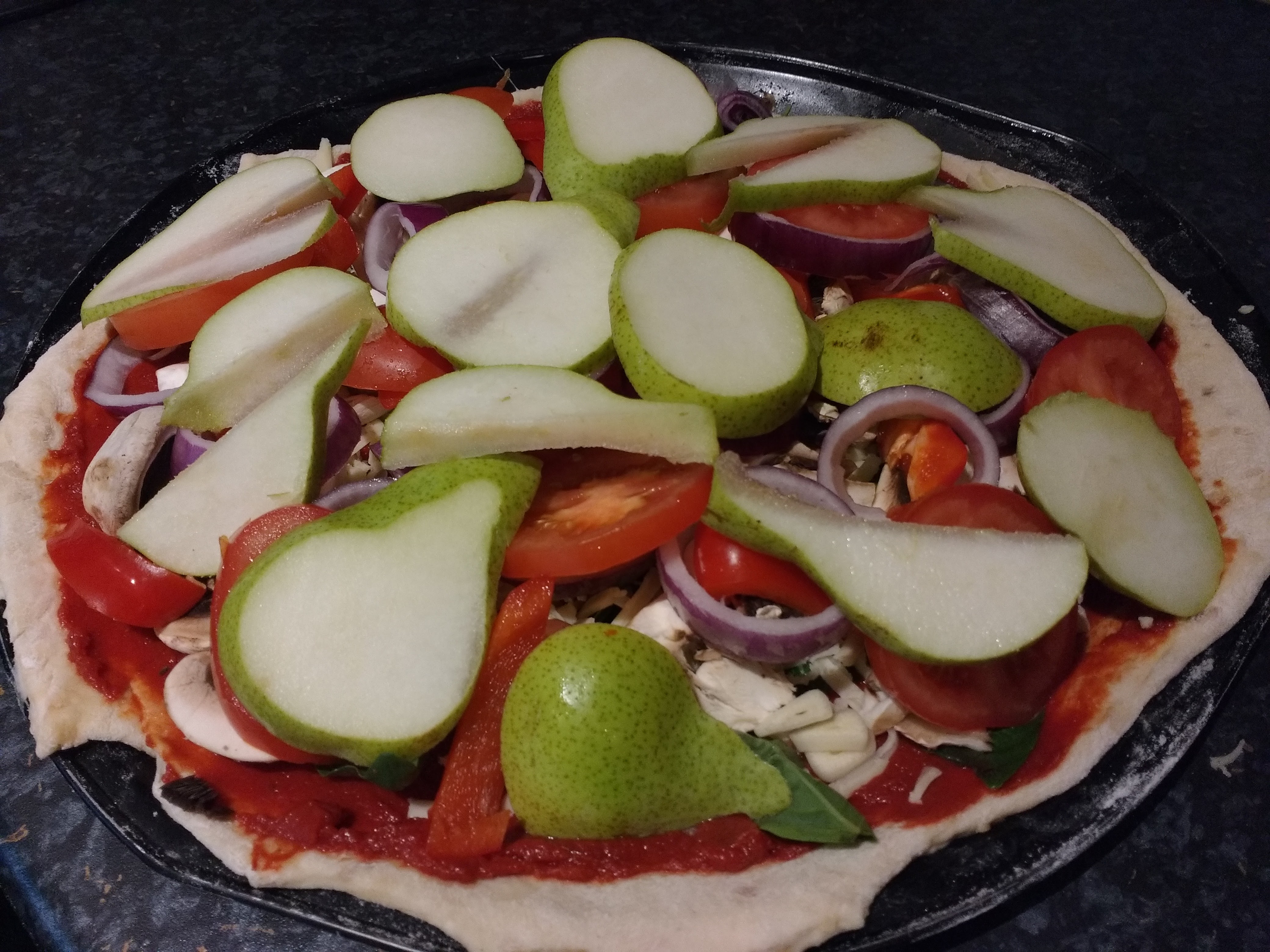
IMG_20160521_175137550Core and slice the pears (if the skins are particularly thick, you can peel, but I prefer to leave them on), and add as another layer.

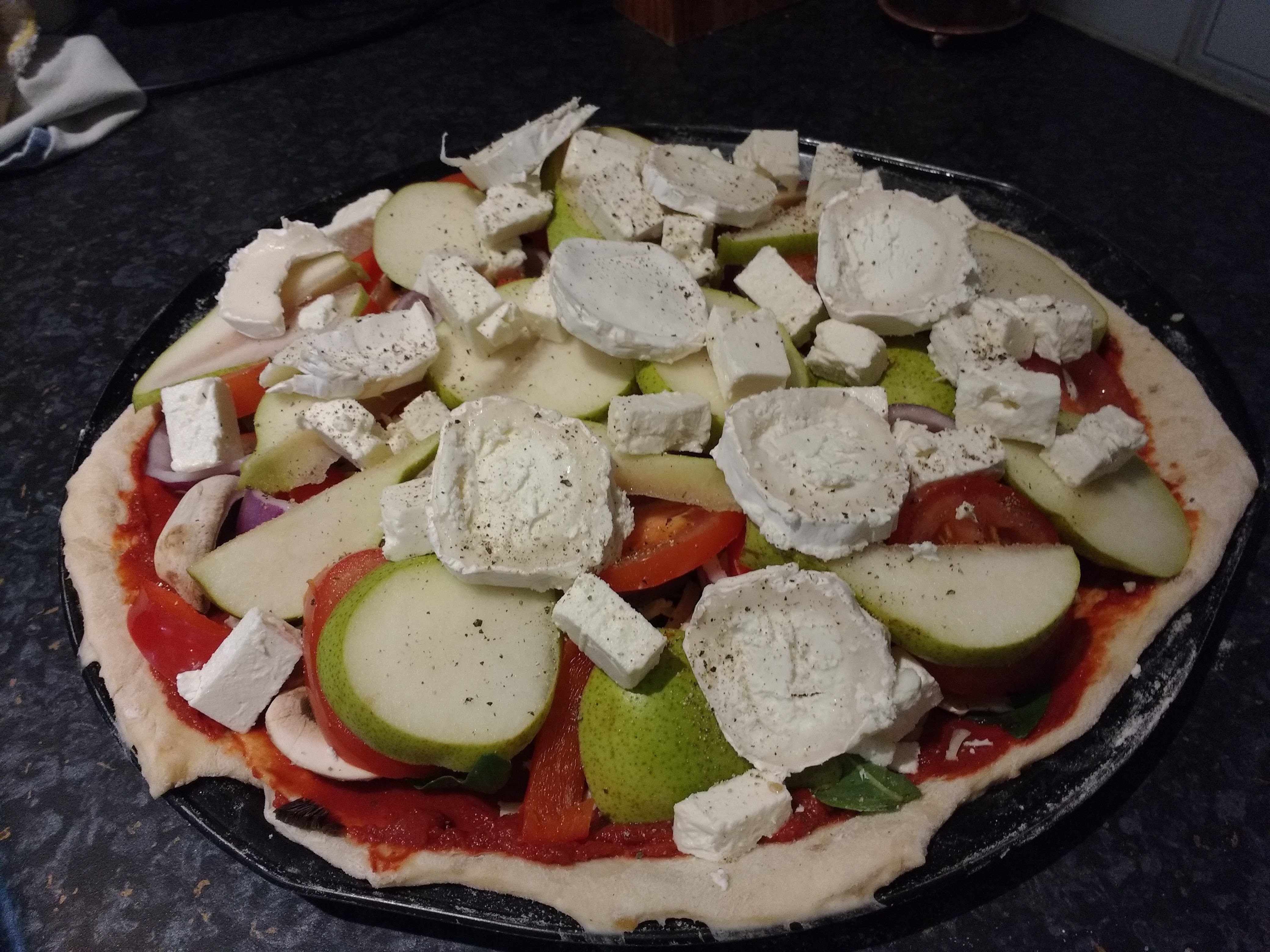
Finally slice the goats cheese and feta and add generously across the top of pear later.

Give the top a sprinkling of pepper (you’re unlikely to need salt, as there is a lot in the feta, but add to taste if you prefer).

Bake in a preheated oven (200°C) for 10 to 15 minutes until the base is cooked through, and the cheese has melted. Serve on it’s own or with a light salad.

IMG_20160521_175451766


Ready, Steady, Not Quite Go! & A Rhubarb Recipe

Water Leak - A Work in Progress
Water Leak – A Work in Progress

Well, it’s been a very busy week, and a little unexpectedly so. It was good to get to the weekend though, and to get down to the allotment. If you read my post about the water problems at the site, I’m pleased to report that they have been resolved it seems. The leak has been fixed, and my prayers for rain have been answered, it even managed to rain on the workman when they were trying to sort the problem out.

We’ve had a week of rain at night, and into the morning and then from about mid-morning onwards it’s been bright and sunny, and that pretty much sums up every day this week, until the weekend arrived at it was sunny from the get go!

Plan B for Water
Plan B for Water

My alternative plan for getting water to the allotment arrived in the post during the week, and although it wasn’t technically needed, I still wanted to try it out this morning. It’s an H2GO bag, [Amazon Link – other suppliers do exist] that sits in a wheelbarrow and holds about 50 litres of water. I was a bit skeptical about whether it would actually work, but it does, and I’m really impressed. You need something large like a big bucket to tip the water into, so that you can then scoop it up into a watering can and 50 litres weighs quite a bit so if you’re a long way from where you want to get the water too, you might want to think about not filling it completely full. If I get a chance I’ll try and do a quick video, so you can see it in action.

Off To The Plot
Off To The Plot

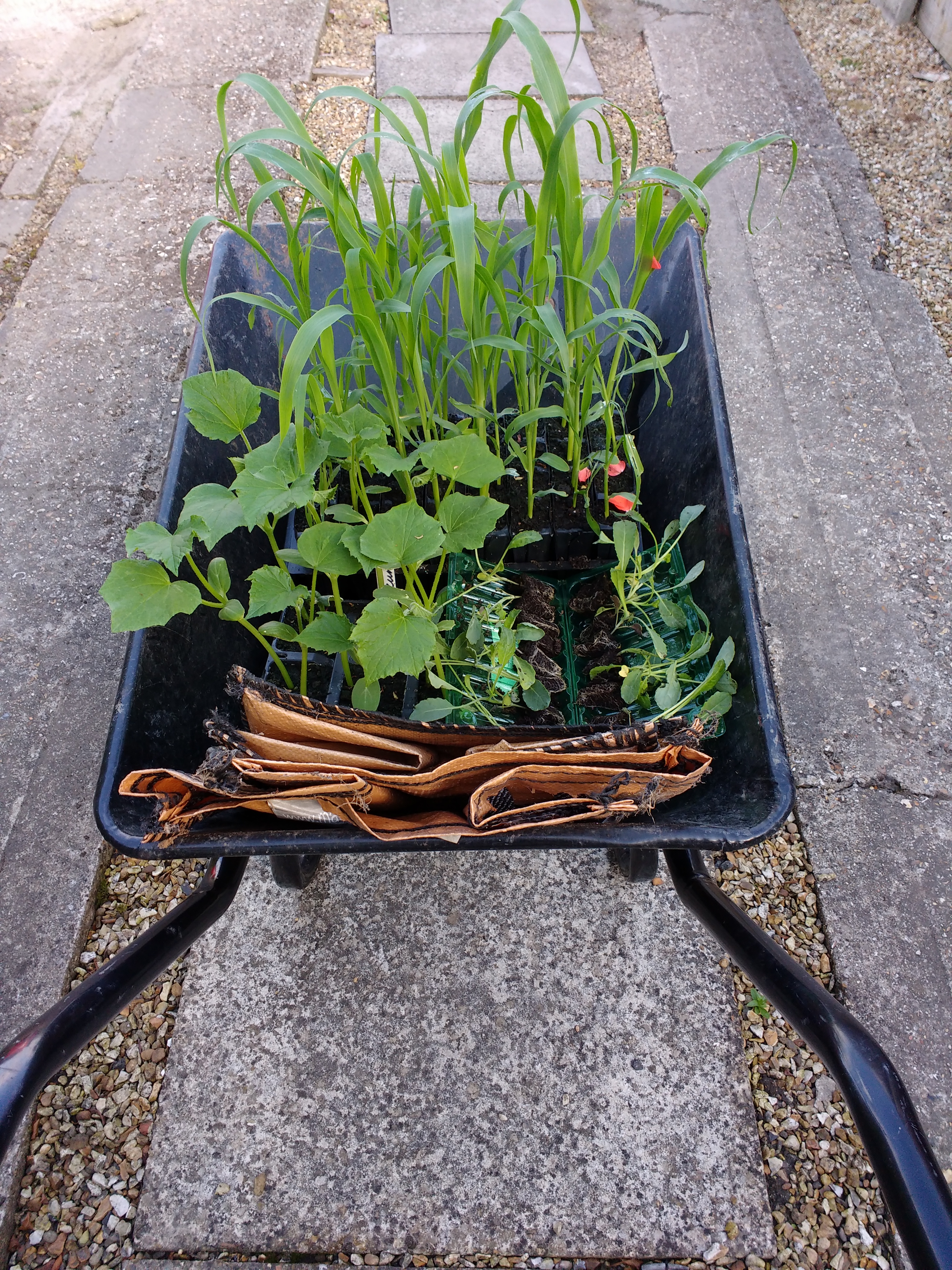
When I went down to the plot this morning it was with the main intention of getting some more plants into the ground. Things have been getting a little tight for space in the potting shed, and it was time for some to move out onto the allotment. I had Cavalo Nero, Sweetcorn and some Cucumbers to go down, and although it’s potentially too early for the latter two I had a cunning plan to protect them from the nighttime temperatures which are still dropping down into the mid single figures.

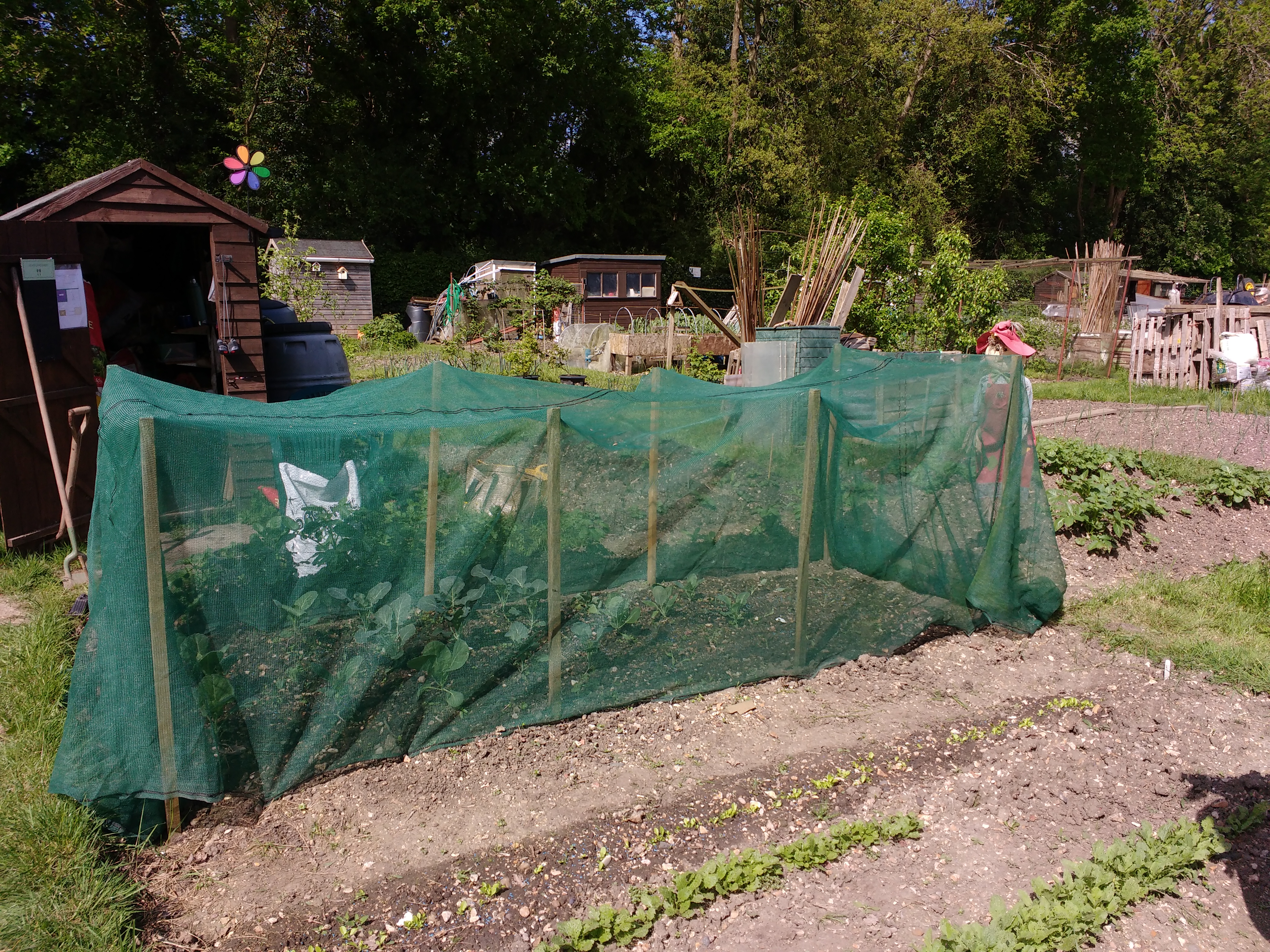
Cavalo Nero In. Brassica Cage Full!

The Cavalo Nero plants went into the brassica cage alongside the cabbages, cauliflowers and broccoli. It’s now as full as it’s going to be this year. There are some more brassicas to go, but there’ll have to go into another part of the plot

Sweetcorn In Their New Home (With Net Curtains!)

The sweetcorn have gone in as well, and I’ve built a little windbreak / cage for them too. This one made from enviromesh and some old net curtains (because I didn’t have a big enough piece of enviromesh). The cucumbers are just alongside, and have a fleece “dome” over the top of them. I hope both of these slightly Heath Robinson constructions will help the plants establish. The forecast for the week ahead looks good, and nighttime temperatures aren’t too low, so they may be okay. I’ll keep an eye on them anyway, because they’ll need watering in.

And finally I had a great crop of rhubarb to harvest. I love rhubarb and there are many things that you can do with it, including jams, wine and other nice things. However I think that you can’t beat some nice stewed rhubarb. Now I know that sounds a bit like school dinners, but take my word for it and give it a try. Here’s how I go about preparing it:

  1. Take your rhubarb stalks and remove the leaves (you can’t eat the leaves, as they’re toxic, so throw them on the compost heap or in the bin). Clean the stalks and chop into pieces about 2.5cm long.
  2. Place these in an oven proof glass dish, add a small amount of water (you don’t want to cover them, so just about halfway to the top of the rhubarb).
  3. Add ground cinnamon and brown sugar to taste (about a level teaspoon of cinnamon and a level tablespoon of brown sugar to six stalks of rhubarb, add more sugar if you have a sweet tooth).
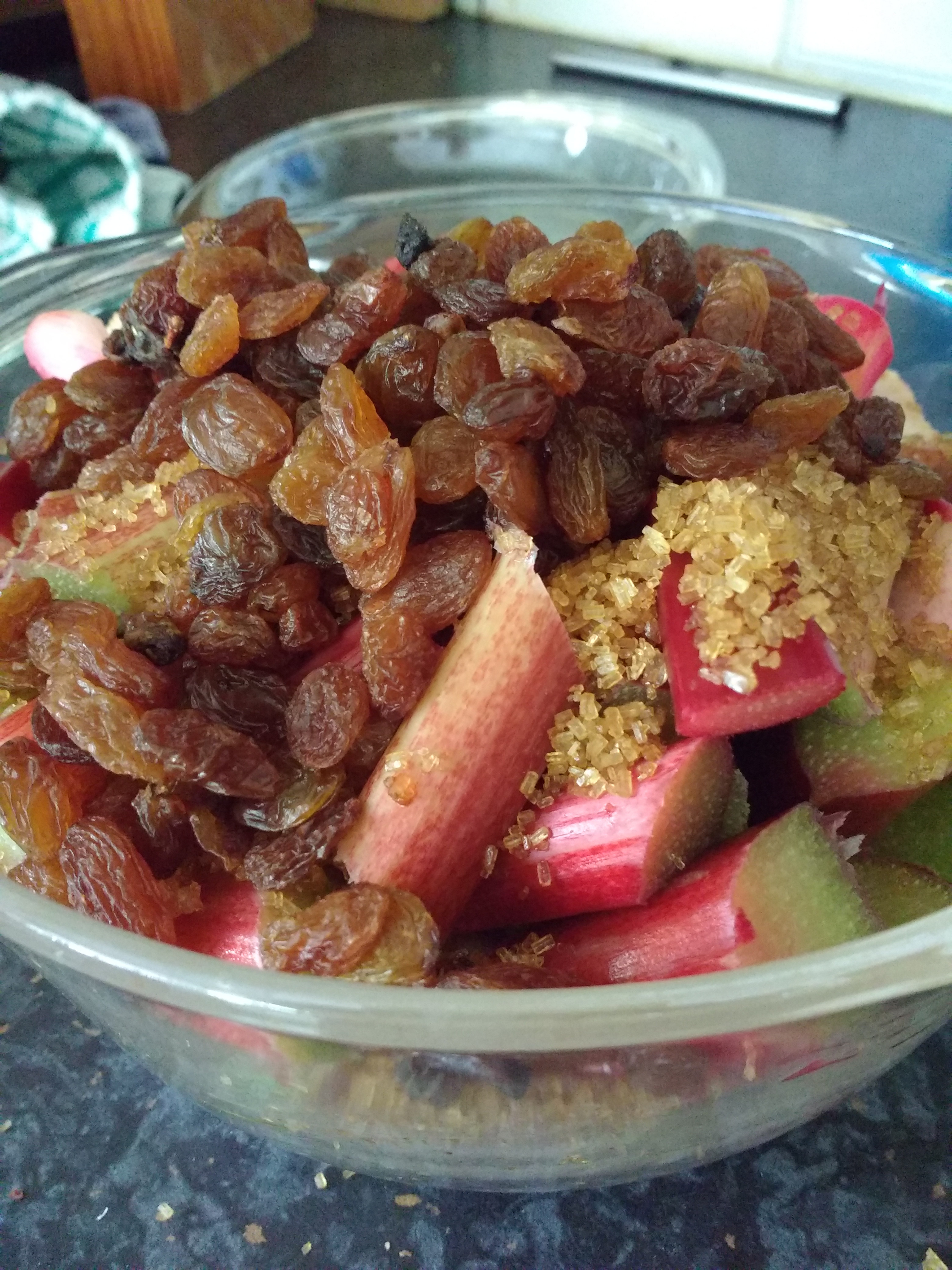
  4. Add a generous handful of sultanas.
  5. 2016-05-14 15.43.58

      The Rhubarb Mix – Ready To Go Into The Oven
  6. Cover & put in the oven at a 140ºC / Gas Mark 3, for about 20 minutes. At this point, remove and stir with a fork to break-up (shred) the rhubarb.
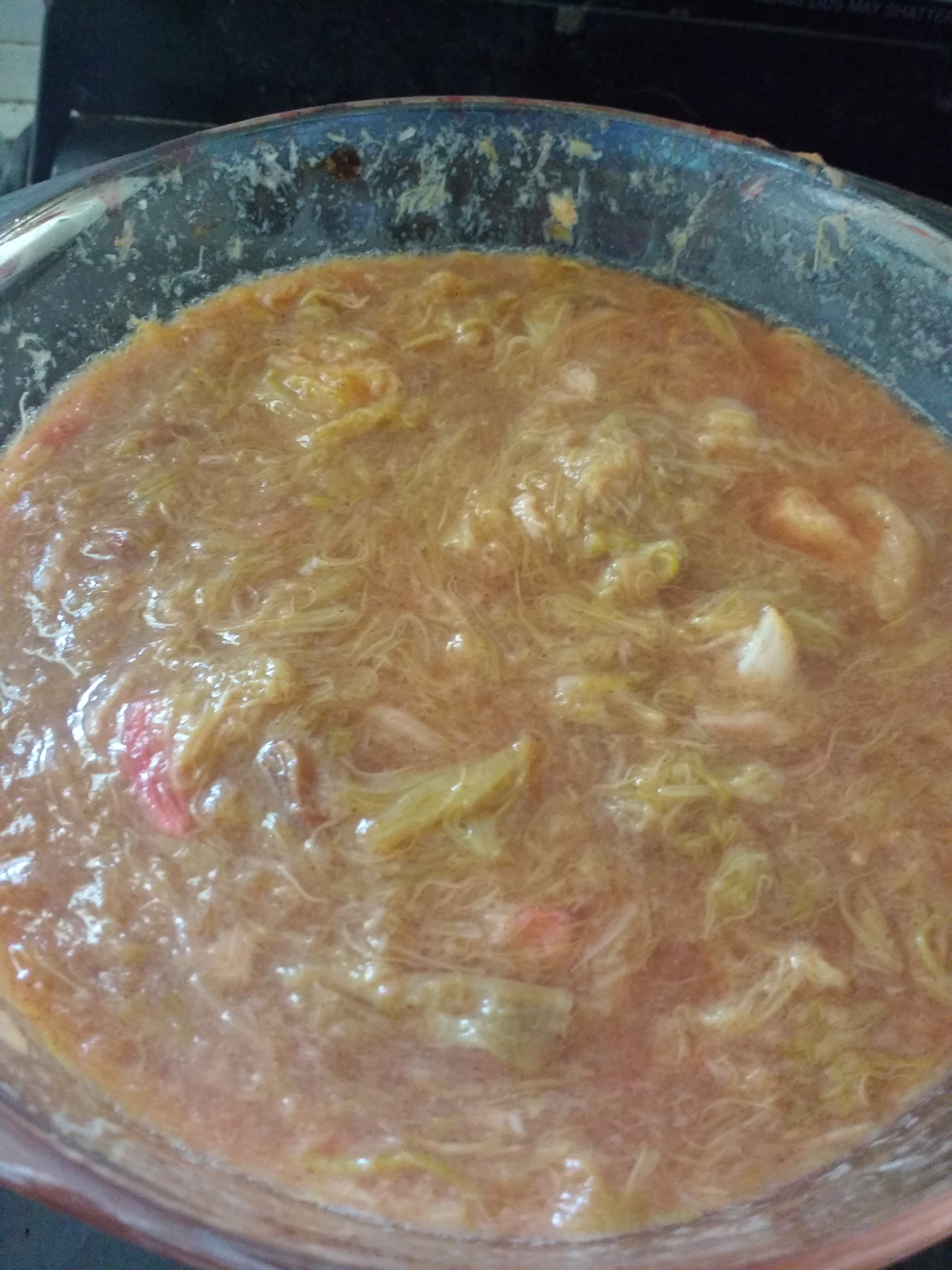
  7. Return to the oven for about another 10 minutes, and then repeat the shredding process until the rhubarb is soft and stringy.
  8. Serve straight from the oven (it will be very hot!) with a big scoop of vanilla ice cream or allow to cool and serve. Works great on porridge or muesli for breakfast!
The End Result - Great With Vanilla Ice Cream
The End Result –
Great With Vanilla Ice Cream


Symbols From The Allotment

There are symbolic things that happen on the allotment each year. They mark a particular moment in the growing season, a point at which you know you’ve reached the same point as a previous year, even though the exact date might be different. I suppose in many ways this is a kind of almanac.

This last weekend saw the final harvest of the purple sprouting broccoli from the plot. It’s been especially good this year, and has given us many meals of homegrown veg, at a time when our supplies are growing short and we are more reliant on store bought produce than I would like.

I used this final crop to accompany a slow cooked shepherd’s pie that I made to serve dinner guests on Saturday. The shepherds pie had a little heat and warmth included courtesy of a bit of chilli pepper, and was a fine result, enjoyed by all.

The area that was once the purple sprouting broccoli has now been dug over, and has had some pelleted chicken manure added to it. It is destined to be an area for sweetcorn or courgettes and pumpkins, depending on the exact position of those plants. At the moment these are still seedlings in the potting shed so it will be a little while longer before they are ready to go out onto the plot.

I also recorded a short update video for YouTube, embedded below to watch should you wish.

Otter Farm

UPDATE: The Otter Farm Crowdfunder reached it’s target, and will be funded. Thank you if you pledged.

As an allotment gardener, I’m sometimes asked why I grow my own veg and what I grow.

The answer to the second question is easy. I grow what I like to eat (with a little experimentation each year for new things). The answer to the first question is a little more complex. Let me try an explain.

I grow my own veg for a number of reasons. Firstly I like to try and be as self sufficient as possible, growing my own, means I cook with what I grow and am less reliant on supermarket produce, which is often days old and grown under standards (from the supermarket) which often lead to the waste of perfectly good food (see my post on wonky veg). I also preserve a lot for use over the winter.

Secondly I like to cook from scratch, take raw ingredients and turn them into something that (hopefully) is delicious, I use a lot of my allotment produce in this way and it means we don’t have huge amounts of processed foods and meals in our house.

Next up, it keeps me fit. I’m not a great one for gyms or sports, and I rarely run unless something big and scary that wants to eat me is chasing me! So the allotment; digging, planting, maintaining, harvesting is a big part of my exercise regime.

The allotment is also my tranquil place, where I can think, have some time for me, lead a simpler life and find an affinity with the values above.

Now that’s quite a bit of waffle but a bit of background for the video at the head of this post, if you haven’t watched it already go and do so now and the come back here. I’ll wait.

Mark Diacano owns and runs Otter Farm, and I find a lot of affinity with the values above with what he is trying to do there. He currently has a project, which aims to help people grow, cook, preserve, distill and understand their own food.

Okay so here’s the rub, this current venture is a crowdfunded project. Without the likes of me and you it won’t happen now, and maybe not ever. It looks tight. There are 5 days left and about 30% still to raise. I’ve backed it and I’m asking you to see if you will too? Watch the video above, look at the Otter Farm Website and if you feel inclined, go to the Crowdfunder page and pledge. If you don’t agree with me or can’t afford it, no problem and no pressure, but I want to make you aware of this project as the values are close to mine, and if you are able to support it, there are some great rewards.

If you’ve read this far, thank you. I realise this isn’t quite the usual post for this blog.

“What Mark’s been doing at Otter farm is inspirational. What he’s planning to is one of the most exciting things in British horticulture. I’m delighted to add my support to such a far-sighted and well-thought out project.”

Hugh Fearnley-Whittingstall

Hot Pasta Ragu Sauce

This is a hot Ragu sauce for pasta, that can be made in about 45 minutes, and serves up to 4 people depending on appetite. You’ll need:

  • 1 large white onion
  • 4 cloves of garlic
  • 3 or 4 medium sized mushrooms
  • 1 Jalapeno Pepper
  • 10 large basil leaves
  • 2 tablespoons of olive oil
  • Salt & Pepper for seasoning
  • 500g extra lean minced beef (approx weight)
  • 1 tin of plum tomatoes or chopped tomatoes
  • 1 glass of red wine (optional)
  • 2 beef oxo cubes (other stock cubes are available)
  • 80 – 100 grams / per person dried pasta shapes
  • Grated parmesan or other cheese for garnish

Method:

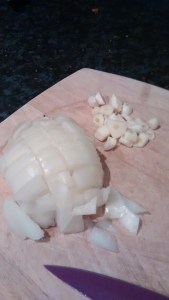
  1.  Peel and finely chop the onion, and garlic and chop the 2015-11-11 16.52.50mushrooms and pepper (this is a hot sauce so don’t deseed the pepper, but if you prefer a milder flavour you will want to remove the seeds).
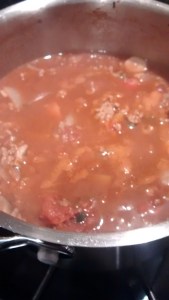
  2. Add the oil to a suitable sized pan over a medium heat, when the oil is warmed through add the onion, garlic and mushrooms, and sweat for about 5 minutes.
  3. Add the minced beef and cook until well browned. Continue to cook the onion, garlic, mushroom and beef mixture for a further 5 minutes.
  4. Add the chilli pepper and mix the combine throughout the mixture.
  5. Add the tomatoes. If you’re using plum tomatoes, roughly
    chop-up in the pan with a knife or blade of a spoon. Add approximately 1/2 a tin of water to the mixture, depending on how much liquid has come out of the beef and tomatoes.2015-11-11 17.16.12
  6. Roughly chop the basil leaves and add about half to the
    mixture, along with the stock cubes, and salt and pepper to taste (remember there will be some salt already in the stock cubes, so don’t over do the seasoning).
  7. Make sure the mixture is well combined and continue to simmer on a low heat for 25 minutes, stirring occasionally. If there is too much liquid present remove the saucepan lid to aid evaporation.
  8. In another pan bring enough water to cook your pasta to the boil, add a little olive oil to the water to prevent the pasta sticking.
  9. Once the water is boiling add the pasta and cook according to the packet instructions.
  10. Add the remaining basil to the meat sauce just before serving, and remove from the heat.
  11. Drain the pasta and serve with the ragu sauce, garnish with the grated cheese.